
Rice with fried egg, and sometimes fried plantain. And the more complete version, bistec a lo pobre (same ingredients but with a big piece of meat). These are probably the first dishes that come to mind when I think of Peruvian food.
Before I begin my story, I want to share a few interesting facts about my country’s cuisine:
Peruvian gastronomy has been a National Cultural Heritage since 2007 and was proclaimed the “Cultural Heritage of the Americas” by the OAS in 2011.
Pía León, chef of Kjolle (and part of the Central team), was chosen as the World’s Best Female Chef in 2021 by The World’s 50 Best.
Peru has been nominated as Latin America’s Best Culinary Destination in 2025 by the World Culinary Awards. And Maido (by Mitsuharu “Micha” Tsumura), in Miraflores, was named the best restaurant in the world in 2025 by The World’s 50 Best Restaurants, after climbing from 5th place in 2024.
Now, back to my story. My mom usually cooked at home, but since we are five siblings, the older ones always looked after the younger ones. I’m (or was?) one of the younger ones. Well, “younger.”
When we had a bigger budget, we’d have bistec a lo pobre. Otherwise, a simple rice with fried egg would fill our bellies at lunch or dinner. Making rice was an important task, and knowing how to do it well deserved recognition. If you did it too well, you’d be assigned to do it more often.
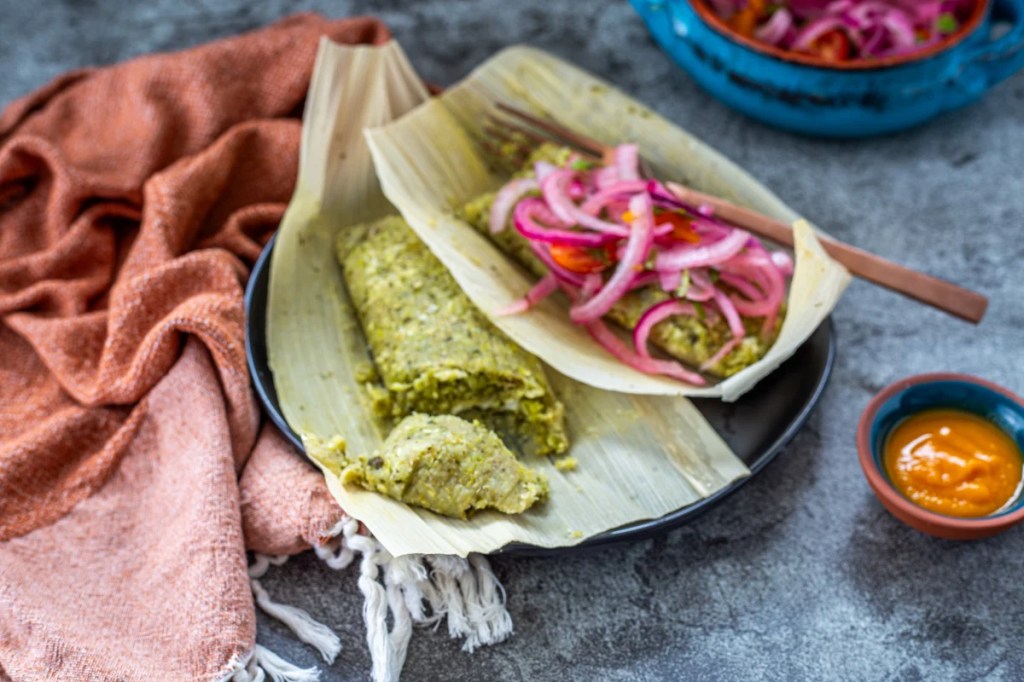
I didn’t like tripe soup (my mom never cooked it either). Nor boiled cabbage. Maybe caiguas (similar to «ardei umplut», for my Romanian readers) weren’t my favorite. Nor cauliflower. On the other hand, I loved purple olives. I love spinach purée. And tamal.
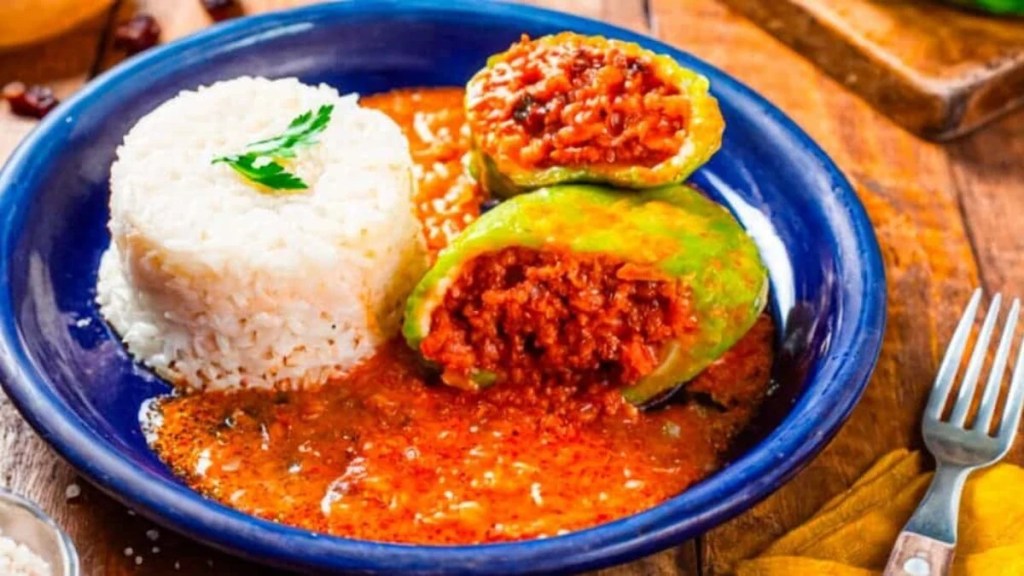
Caigua rellena
Paula Cocina
Tamal
BeyondMereSustenance.com
In Romania I haven’t found those olives. Or the type of potato to make a good purée. At least not the Peruvian style. Or with the Peruvian taste. I also haven’t found yellow or red chili peppers (ají) we use to season food.
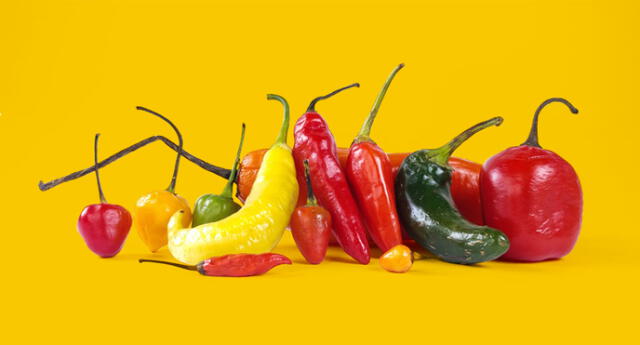
Varieties of chili peppers in Peru
Buenazo.pe
From time to time, I find avocados from Peru. I buy them no matter the price. They’re very small and don’t have the same taste, but I imagine they’re the best I’ve ever had. Maybe because I pay for them. Isn’t it true that food tastes different depending on who pays?

Peruvian avocados in Bucharest supermarkets
Here I’ve only tried to make two of my mom’s dishes. Ají de gallina, which is supposed to be yellow, but turned out orange. And roast turkey with Arabic rice. That one turned out delicious.
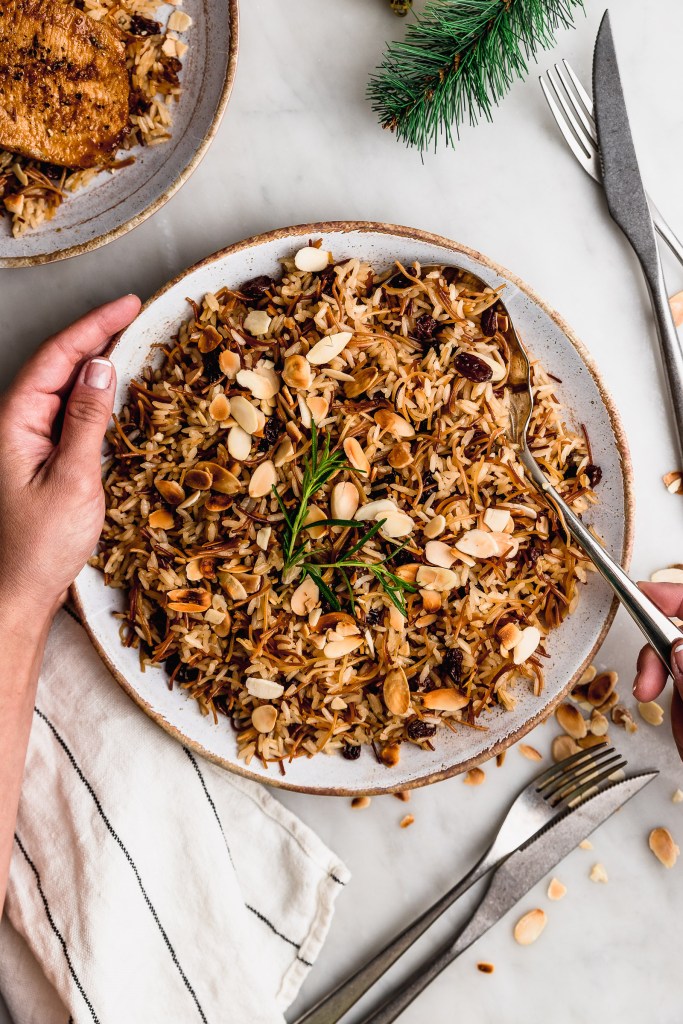
Arabic Rice (Not a picture of what I prepared but close enough)
Cravings journal
Truth is, until this year I hadn’t been very interested in learning to cook. It felt like too much work for just myself, and the price difference wasn’t big between eating out and eating at home.
But there are several reasons why I’ve finally started cooking. It’s cheaper, it tastes better, and it’s healthier. And really, it’s the combination of all three. Eating healthy at restaurants is out of my budget. And cheaper food outside is less healthy.
I’m one of those millennials who counts calories.
And putting calories aside, let’s just see some dishes that will leave us craving today. I’ll show you 5 dishes and 2 drinks I love:
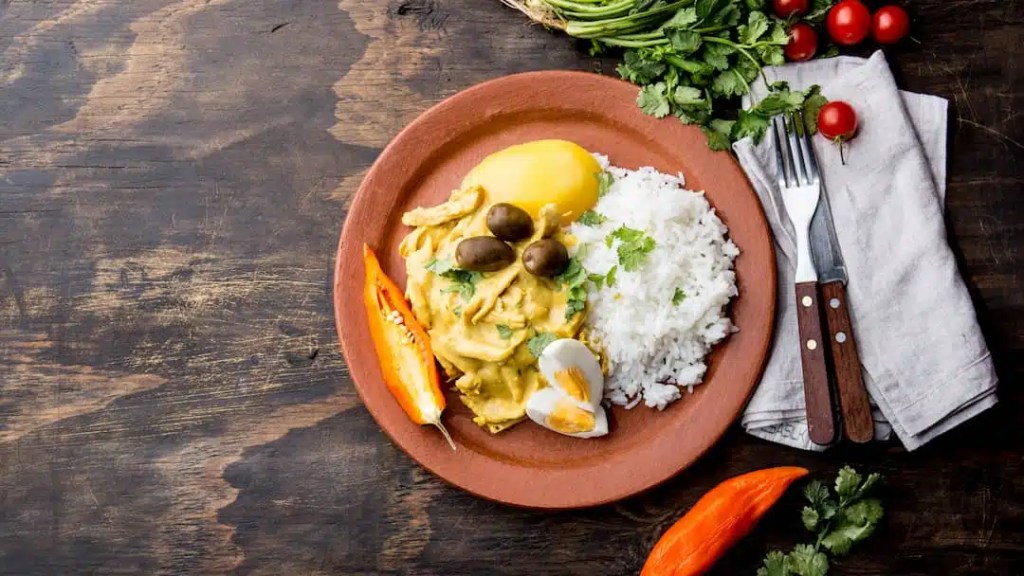
Aji de gallina
Paulacocina.net
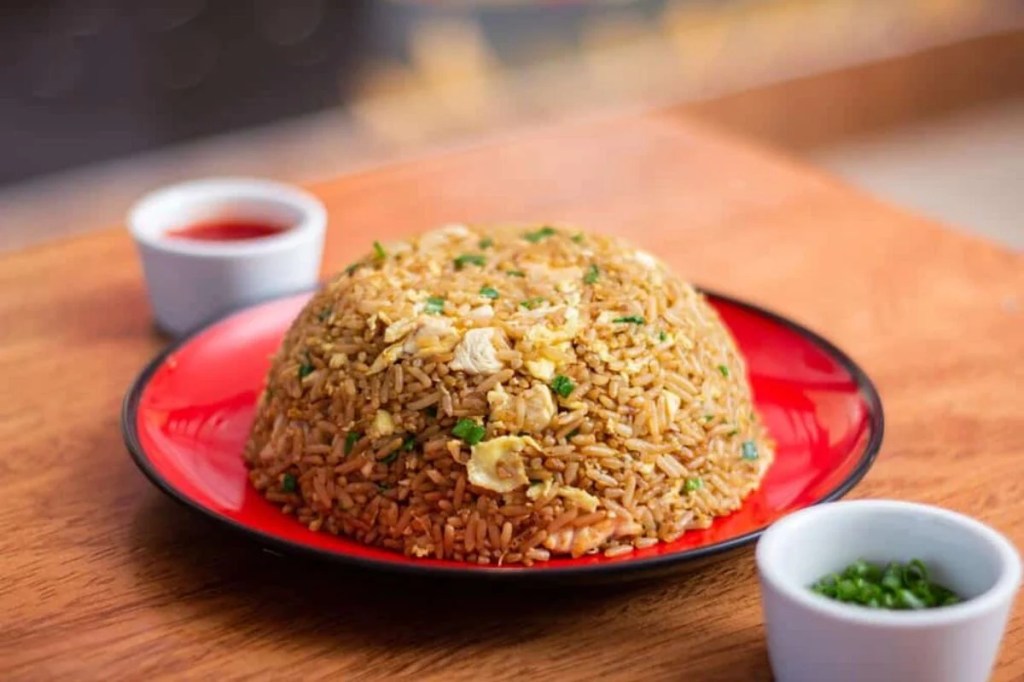
Arroz Chaufa
Paulacocina.net
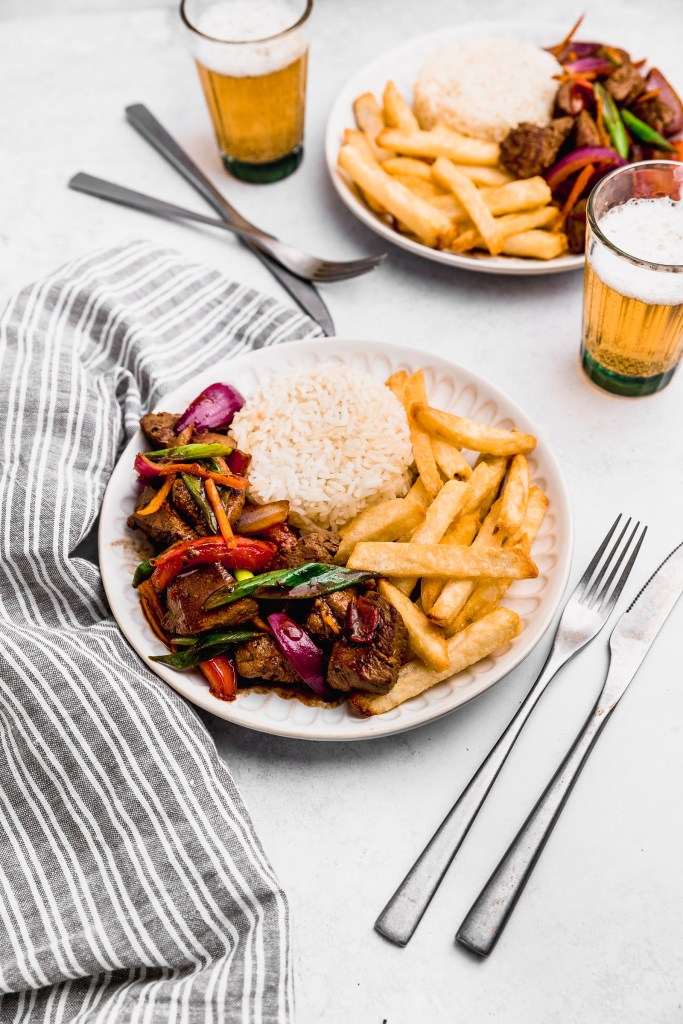
Lomo saltado
Cravings Journal

Ceviche
Unsplash: Pirata Studio Film
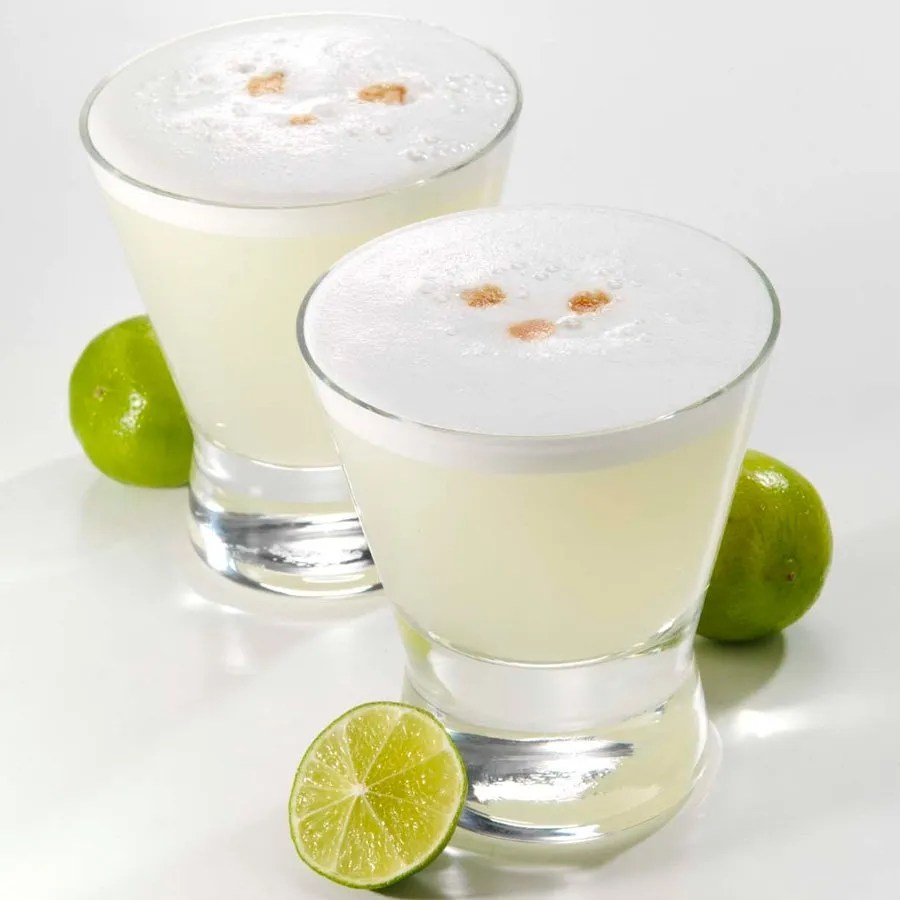
Pisco sour
James and Everett
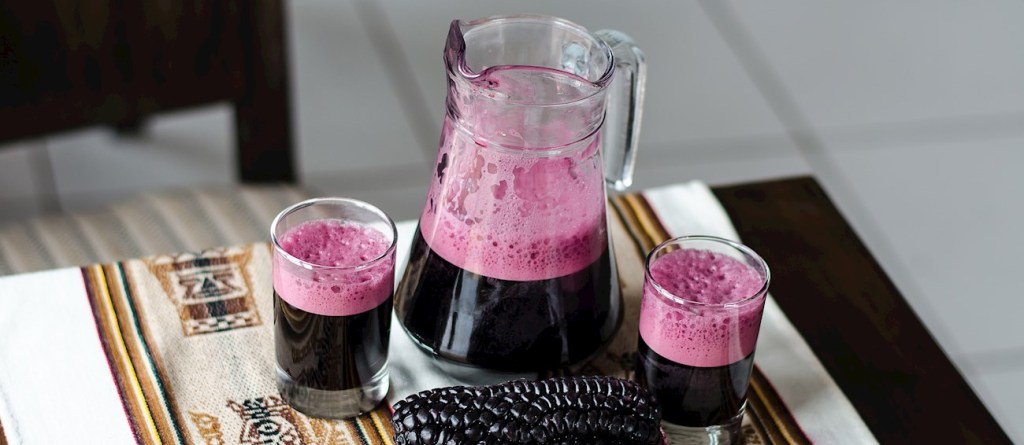
Chicha morada
TasteAtlas.com
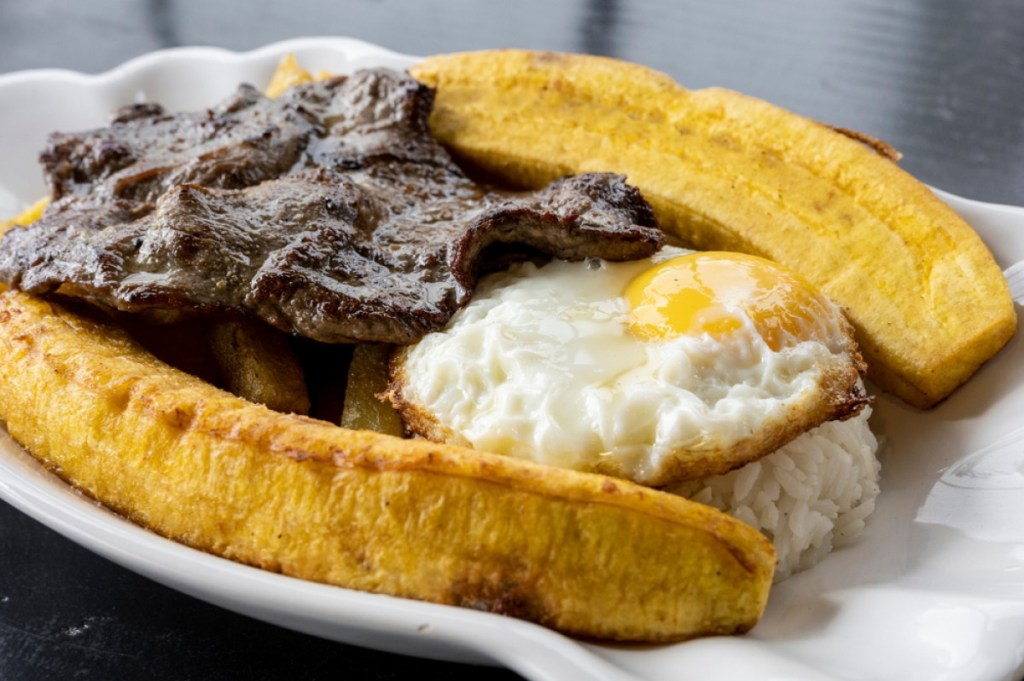
Bistec a lo pobre (mi favorito)
Buenazo.pe
To wrap up, I asked AI to describe Peruvian cuisine for me. Here’s the result:
Peruvian cuisine is recognized worldwide for its diversity, history, and creativity. Born from the encounter of Indigenous, Spanish, African, Chinese, Japanese, and Amazonian cultures, it has led to a unique fusion of flavors, techniques, and traditions.
Iconic ingredients like potatoes, corn, quinoa, ají, and Pacific fish combine in colorful and flavorful dishes like ceviche, lomo saltado, causa, ají de gallina, or arroz chaufa.
Each region brings its own identity: coast, highlands, and jungle come together in one of the richest and most diverse gastronomies in the world.
To close, I’ll say this: it’s probably unlikely that you’ll ever taste Peruvian food cooked by me. But if we’re close, we’ll go taste it together in Peru—or find a restaurant somewhere in Europe.
PS. Do check 26 dishes you must try in Peru!
 Ave Migratoria